Some of the videos I have made with Numberphile are about polyhedra (here, here, here); in all of them I use the software Stella (link). I first purchased Small Stella in 2009, and over the years have upgraded it to its maximal manifestation, Stella4D-Pro. For anyone with an interest in polyhedra, it is a fantastic tool.
And I do mean anyone: what I love most is that it has an extremely low entry threshold, but a very high ceiling. I often take a laptop with Stella to my daughter’s primary school career day, and use it entertain children ages 4 and up. A popular passtime is finding the weirdest polyhedron possible, and then making it spin as fast as you can (easy with a touch-screen). Another fun trick is setting a polyhedron to morph to its dual and back, creating a sort of pulsating geometrical jellyfish.
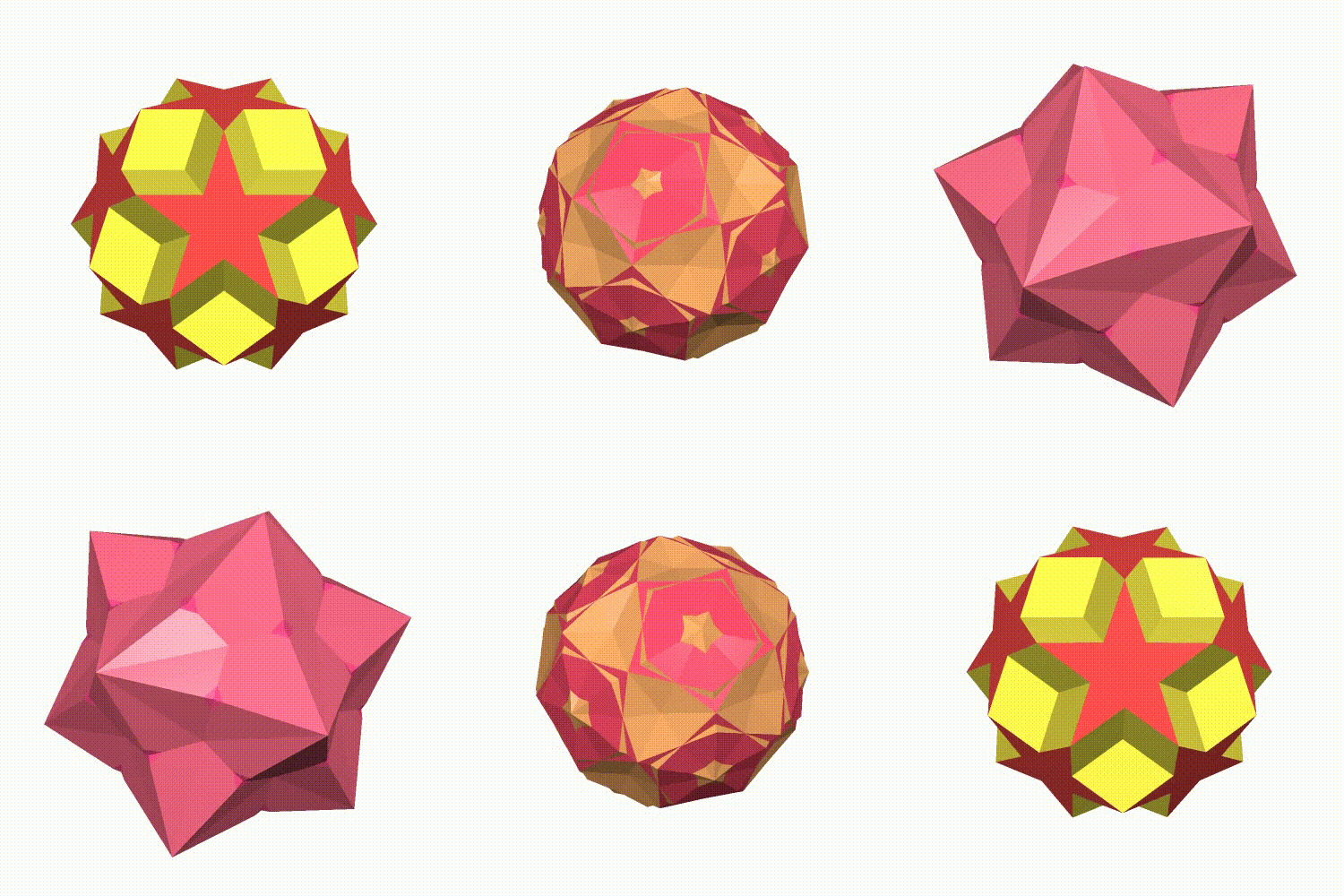
At the same time, Stella has been used to make important polyhedral discoveries, including by Robert Webb himself (creator of Stella) and Ulrich Mikloweit.
The difference is mainly whether (like me and the kids) you are content to explore its immense library of inbuilt polyhedra, and now 4-dimensional polychora…
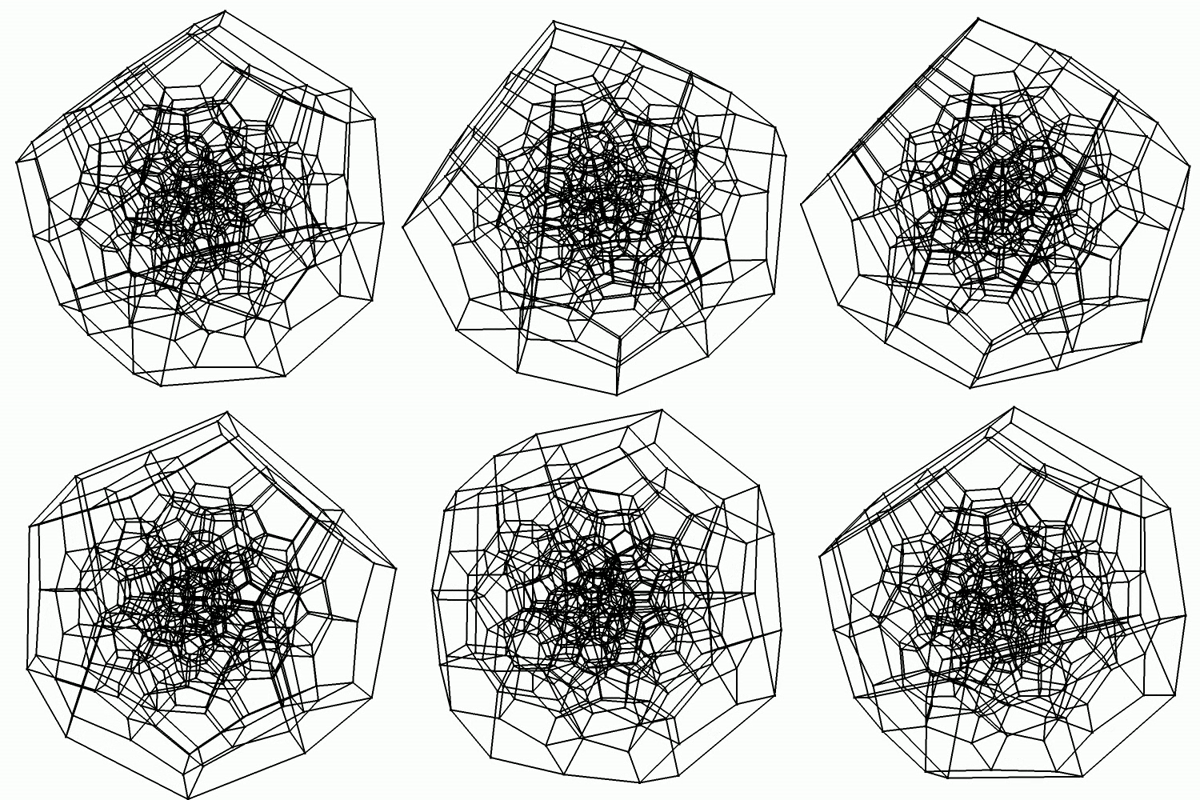
…or whether you want to use its fancier features to start generating your own shapes by modifying the existing polyhedra via truncation, augmentation, stellation, faceting, zonohedrification, runcination, and who knows what else. Even with no idea what you’re doing, it is fun and easy to start pressing buttons:
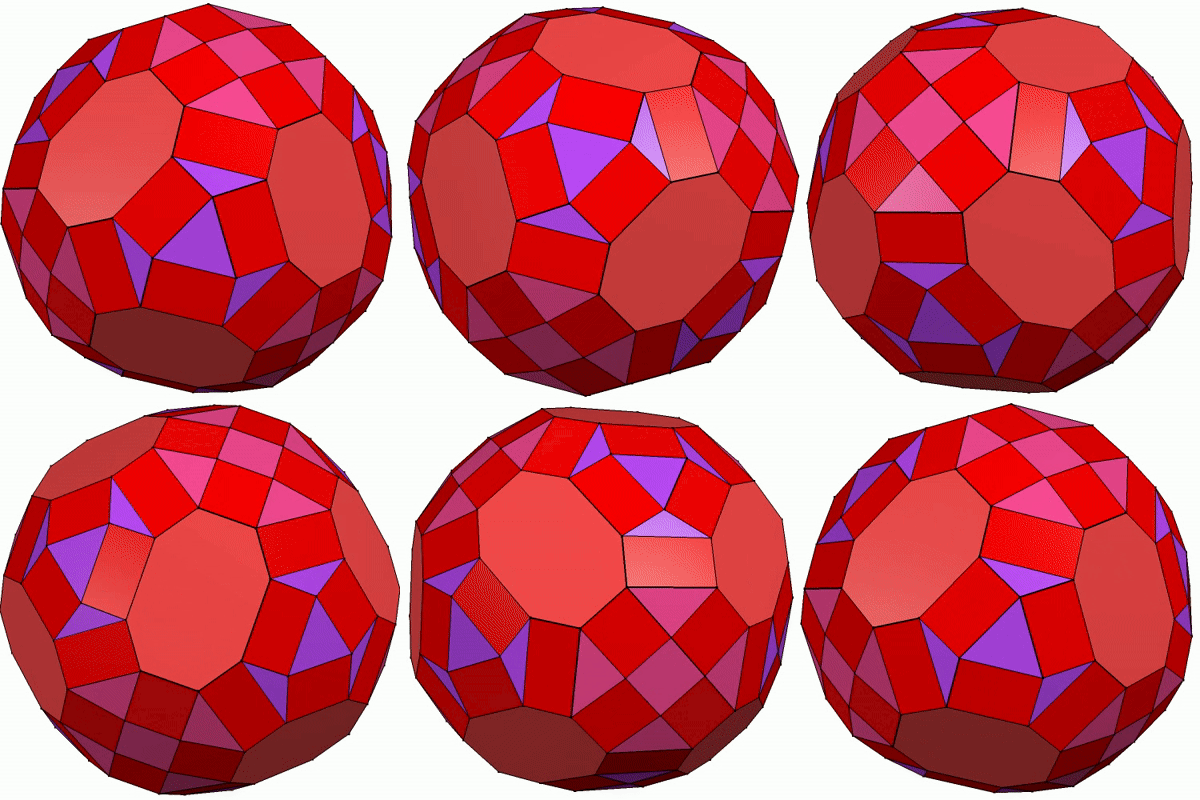
The reason I love polyhedra as a topic for mathematical outreach is that it animates a lot of dry-sounding technical sounding jargon (“convexity”, “vertex-transitivity”) with a panpoly of funky shapes everyone can enjoy. It also offers a number of classification results to talk through, these being the highest grade of mathematical theorem. In truth, my interest in polyhedral geometry and the fact that I have made Numberphile videos about it, is in large part down to having played around with Stella over the years, to bring these connections to life.


Leave a Reply